

Black tea, the most widely consumed tea globally, offers a diverse and complex flavor profile that appeals to a broad range of palates. Its taste varies significantly depending on factors such as origin, processing methods, and preparation techniques.
In this comprehensive guide, we will delve into the nuances of black tea’s flavor, its health benefits, and how to best enjoy it. So. does black tea taste good?
Flavor Profile of Black Tea:
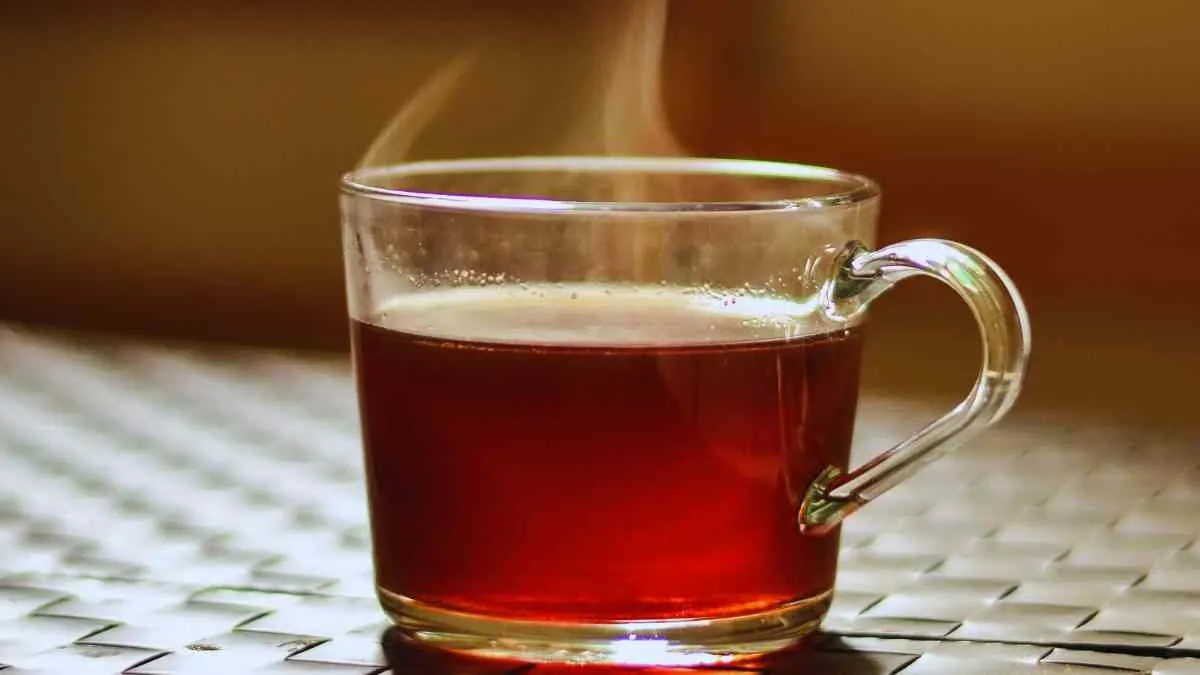
Black tea is known for its robust and full-bodied flavor, which can range from malty and sweet to smoky and astringent. This complexity arises from the tea’s oxidation process, where enzymes in the leaves interact with oxygen, darkening the leaves and intensifying the flavor. tealeavz.com
Common Flavor Notes in Black Tea
-
Malty: Teas like Assam and English Breakfast are renowned for their malty sweetness, providing a rich and comforting taste. Teadog
-
Smoky: Lapsang Souchong is a distinctive black tea with a pronounced smoky flavor, achieved by drying the leaves over pinewood fires. Wikipedia
-
Fruity: Some black teas, such as Darjeeling, exhibit subtle fruity notes reminiscent of stone fruits, adding a refreshing dimension to the flavor. Tea Cachai
-
Earthy: Teas like Pu-erh develop deep, earthy flavors due to fermentation, offering a unique taste experience. Teadog
-
Astringent: Certain black teas can have a dry, puckering sensation, especially if over-brewed, which some tea drinkers find invigorating. ArtfulTea
Global Varieties and Their Distinct Tastes:
The flavor of black tea is also influenced by its region of origin, with each area imparting unique characteristics to the leaves.
-
India: Indian black teas, such as Assam, are known for their bold, malty flavors, while Darjeeling offers a lighter, more floral taste. Golden Moon Tea
-
China: Chinese black teas like Keemun and Jin Jun Mei are celebrated for their smooth, slightly sweet profiles with hints of cocoa and floral notes. Wikipedia+1
-
Sri Lanka: Ceylon teas from Sri Lanka are typically brisk and bright, with a clean taste that makes them ideal for iced tea. Golden Moon Tea
-
Nepal: Nepalese black teas often feature a balance of floral and fruity notes, offering a nuanced flavor profile. Tea Cachai
Brewing the Perfect Cup of Black Tea:
To fully appreciate the flavors of black tea, proper brewing is essential. Here are some tips to enhance your tea experience:
-
Use Fresh, Filtered Water: Water quality significantly affects the taste of tea. Using fresh, filtered water ensures a clean and pure flavor.
-
Optimal Water Temperature: Heat water to just below boiling, around 200–212°F (93–100°C), to extract the best flavors without bitterness.
-
Steeping Time: Steep tea for 3–5 minutes. Longer steeping can increase astringency, while shorter times may result in a weaker brew.
-
Adjust to Taste: Experiment with the amount of tea leaves and steeping time to find your preferred strength and flavor.
Enhancing Black Tea with Additives:
While black tea is delightful on its own, adding ingredients can create a personalized flavor experience:
-
Milk: Adding milk can soften the astringency and enhance the tea’s natural sweetness.
-
Lemon: A slice of lemon adds a refreshing citrus note that complements the tea’s richness.
-
Honey or Sugar: Sweeteners can balance the tea’s natural bitterness and bring out its underlying flavors.
-
Spices: Incorporating spices like cinnamon, cardamom, or cloves can transform your tea into a flavorful chai.
Health Benefits of Black Tea:
Beyond its taste, black tea offers several health benefits:
-
Rich in Antioxidants: Black tea contains theaflavins and thearubigins, antioxidants that help combat oxidative stress. Verywell Health
-
Heart Health: Regular consumption may support cardiovascular health by improving cholesterol levels and blood pressure. The Times of India
-
Digestive Aid: Black tea can promote healthy digestion and may alleviate symptoms of indigestion.
-
Mental Alertness: The caffeine content in black tea can enhance focus and cognitive function.
Recommended: Peppermint Tea Temperature
Common Questions:
Q: What does black tea taste like?
A: Black tea has a robust, full-bodied flavor that can be malty, smoky, fruity, or earthy, depending on its origin and processing.
Q: How should I brew black tea for the best taste?
A: Use fresh, filtered water heated to 200–212°F (93–100°C). Steep tea leaves for 3–5 minutes, adjusting to your taste preference.
Q: Can I add milk or sugar to black tea?
A: Yes, adding milk or sweeteners can enhance the tea’s flavor and smoothness. Experiment to find your preferred combination.
Q: Is black tea healthy?
A: Yes, black tea is rich in antioxidants and may support heart health, digestion, and mental alertness.
Last Words:
- Black tea offers a rich and diverse flavor experience that caters to various preferences. Whether enjoyed plain or with added ingredients, it provides both a sensory delight and potential health benefits.
- By understanding its flavor profile and brewing techniques, you can fully appreciate the complexities of black tea.


